On Friday, November 13, 2026, the FAA stopped departures across the entire country for almost five hours. More than 20,000 flights were disrupted. FlightAware counted over 9,000 U.S. cancellations that day alone.
The cause, according to officials? One router.
What Happened
A contractor was doing routine work at a remote FAA site, switching old copper phone lines over to fiber. A newly installed router started flooding the routers around it with bad traffic. The air traffic control communications network choked, and the whole system stopped.
Investigators are still working out whether it was human error or faulty equipment. But here’s the part that should make you sit up: federal auditors had flagged that same network, the FAA Telecommunications Infrastructure, as an outage risk for more than 15 years. It failed the same way back in 2009 and knocked out 129 air traffic facilities.
Everyone knew it was fragile. It failed anyway.
I’ve Seen This Up Close
I spent about thirty years around fiber networks and colocation data centers. Copper-to-fiber cutovers are routine work. They’re also exactly when things break. One wrong setting, one bad box, and a problem in one small building spreads across the whole network in minutes.
That’s not a conspiracy. That’s how big, connected systems work. The more everything depends on one network, the bigger the blast radius when one piece fails. Engineers call it a single point of failure.
And it wasn’t the only outage that week. Just the day before, a Microsoft outage took down Outlook and Teams for users in dozens of countries. Different cause, same lesson.
Now Look at Your Own House
Ask yourself three questions:
- Food: If the trucks stopped for a week, what would you eat? Is your food in a freezer that dies when the power does?
- Water: How many days of clean water do you have on hand right now?
- Communication: If the cell towers and internet went down, how would you reach your kids, your spouse, or your neighbor?
If any answer is “I don’t know,” your family is built like that FAA network: one failure away from a ground stop.
Build Your Own Backup
You don’t need a bunker. You need a second way to do the important things.
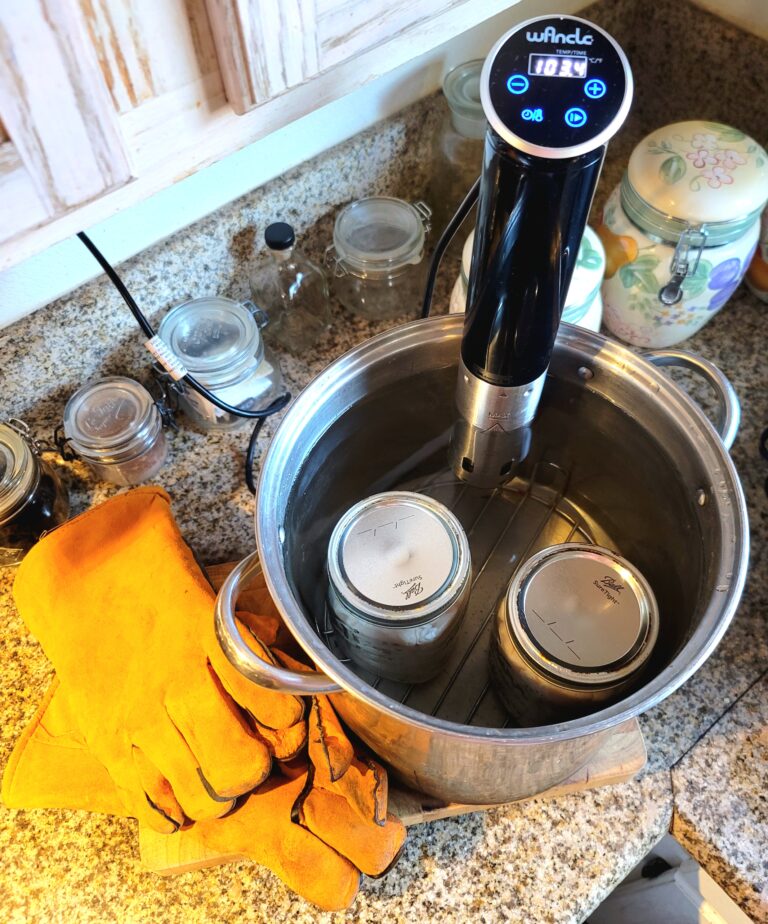
- Shelf-stable food: I pressure-can about four gallons of chicken bone broth at a time. No freezer, no power needed to store it. Here’s how: Canning Chicken Bone Broth: 9 Easy Steps, and the canning gear I actually use.
- Comms that don’t need towers: Small Meshtastic radios let your family text each other with no cell service and no internet. Start here: A Family Meshtastic Kit That Actually Works in the Desert.
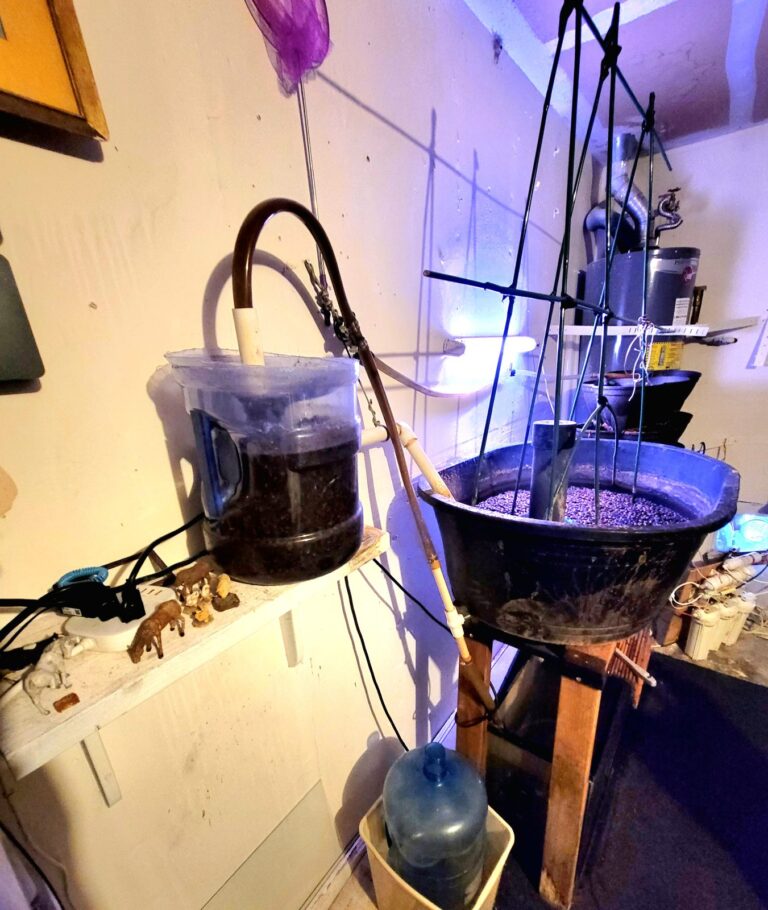
- Food you grow yourself: A backyard aquaponics system raises fish and vegetables together, with no grocery store involved.
The Whole Plan, in Three Books
I wrote The Resilience Trilogy: What My Grandkids Need to Know for exactly this. Book One covers growing your own food with aquaponics. Book Two, The Adventure of Cooking, shows you how to run a resilient kitchen with what’s on your shelf. Book Three is the one this outage is all about: Don’t Get Caught with a Single Point of Failure.
Big systems will fail again. The FAA’s did, after fifteen years of warnings. The question is whether your family fails with them.
Sources: Reuters via Global Banking & Finance Review; AeroCorner; Shashi Bellamkonda (FlightAware and CBS figures).
When the internet and cell towers go down, a simple off-grid radio can still keep your family in touch. Here’s the Meshtastic gear I recommend for families.